We are Appalachia Rising
Appalachia Rising Partners Council

-
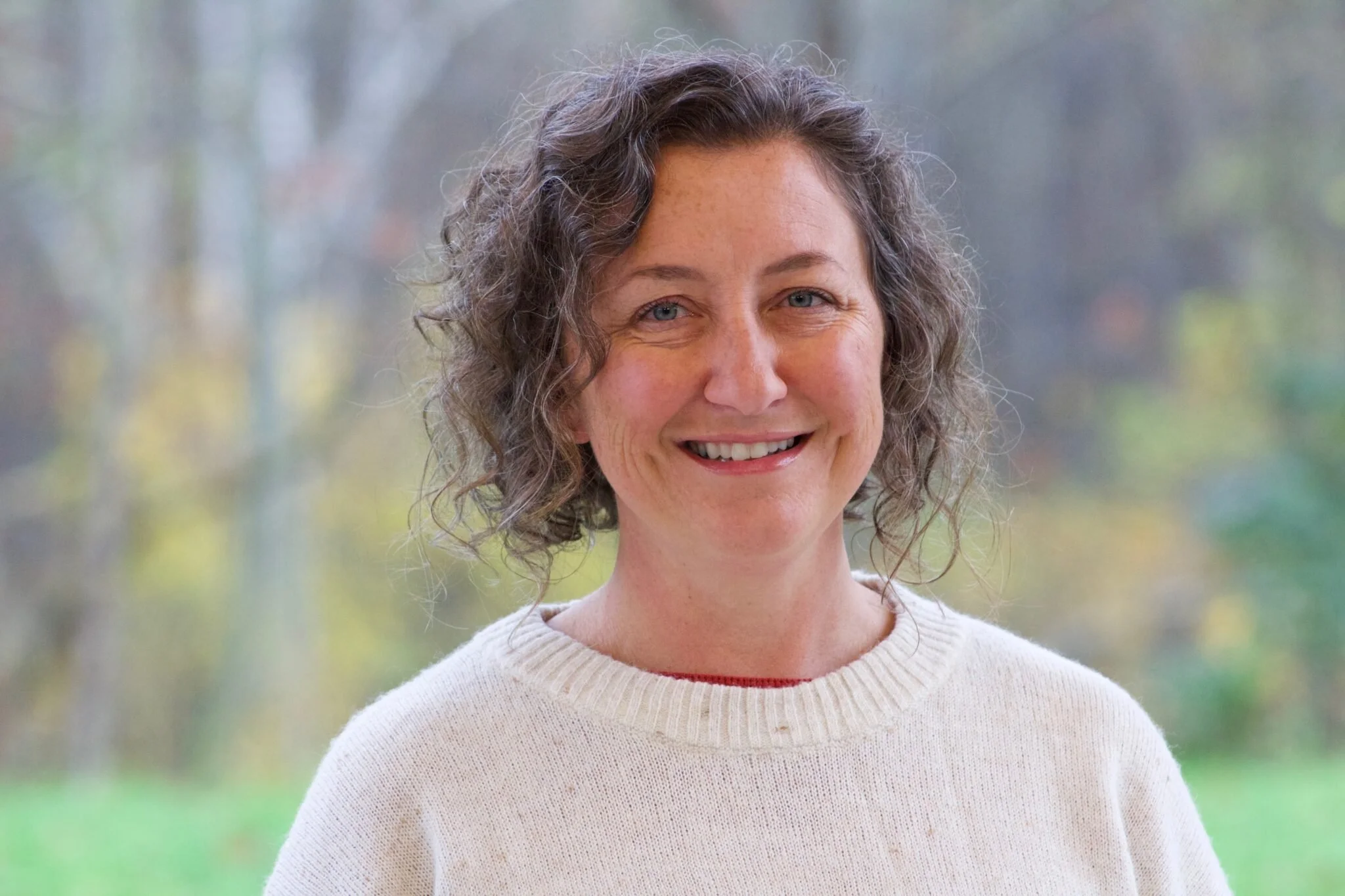
Greg is the Executive Director of Kentucky Natural Lands Trust, a conservation nonprofit working to safeguard biodiversity, stabilize the climate and support communities, with a primary focus in Central Appalachia. He has more than 25 years of experience as a conservation practitioner having helped protect tens of thousands of acres of wildlands. Greg has extensive knowledge of large landscape conservation including land acquisition, partnership collaboration, fundraising, planning, spatial data analysis/modeling and outreach/communications. He has worked for private, government and nonprofit organizations throughout the Appalachian region. Greg’s background is in forest ecology, geographic information systems (GIS) and design. He holds a B.S. in Natural Resources Conservation and an M.S. in Forestry from the University of Kentucky. Greg is the lead editor, co-¬author, cartographer and illustrator of Kentucky’s Natural Heritage: An Illustrated Guide to Biodiversity. Compiled by the Kentucky Natural Heritage Program, the book is an essential reference to the nature of the commonwealth and presents a persuasive case for biodiversity conservation.

-
Alice Hudson Pell is the Executive Director of TennGreen Land Conservancy, Tennessee’s oldest accredited statewide land trust. Since joining TennGreen in 2014, Alice has served in several leadership roles, including Director of Development and Associate Director, before being appointed Executive Director in December 2022.
Alice holds a Master of Education in Higher Education Administration, with a concentration in Institutional Advancement, from Vanderbilt University’s Peabody College and a Bachelor of Arts from Agnes Scott College. Her leadership and community involvement have been recognized with honors including the 2026 Nfocus Model Behavior Award. She serves on the Metro Nashville Parks & Recreation Board, the Board of the Nashville Parks Foundation, the Board of Directors of Big River Park Conservancy, and is a member of the Cumberland Trails Conference Advisory Board.
-
Tom has served as Executive Director at Appalachian Voices since 2013. The organization has expanded under his leadership to include a major emphasis on solutions — advancing clean energy and sustainable economies by working successfully to transform federal, state, and local policy while simultaneously driving on-the-ground project implementation — plus winning campaigns to oppose new gas infrastructure and address the legacy impacts of coal. He served on the White House Environmental Justice Advisory Council, beginning in 2021.
Tom received his J.D. from U.C.L.A. and a B.A. in political and social thought from the University of Virginia. His previous experience includes serving as Virginia Director and Deputy Director of Programs for Appalachian Voices, clerkships with the Southern Environmental Law Center and the U.S. Department of Justice, and researching endangered terns in South America.
Tom lives in Charlottesville, Virginia, with his wife, Heather, whom he met while working as a whitewater and climbing guide in West Virginia, and their three children.
-
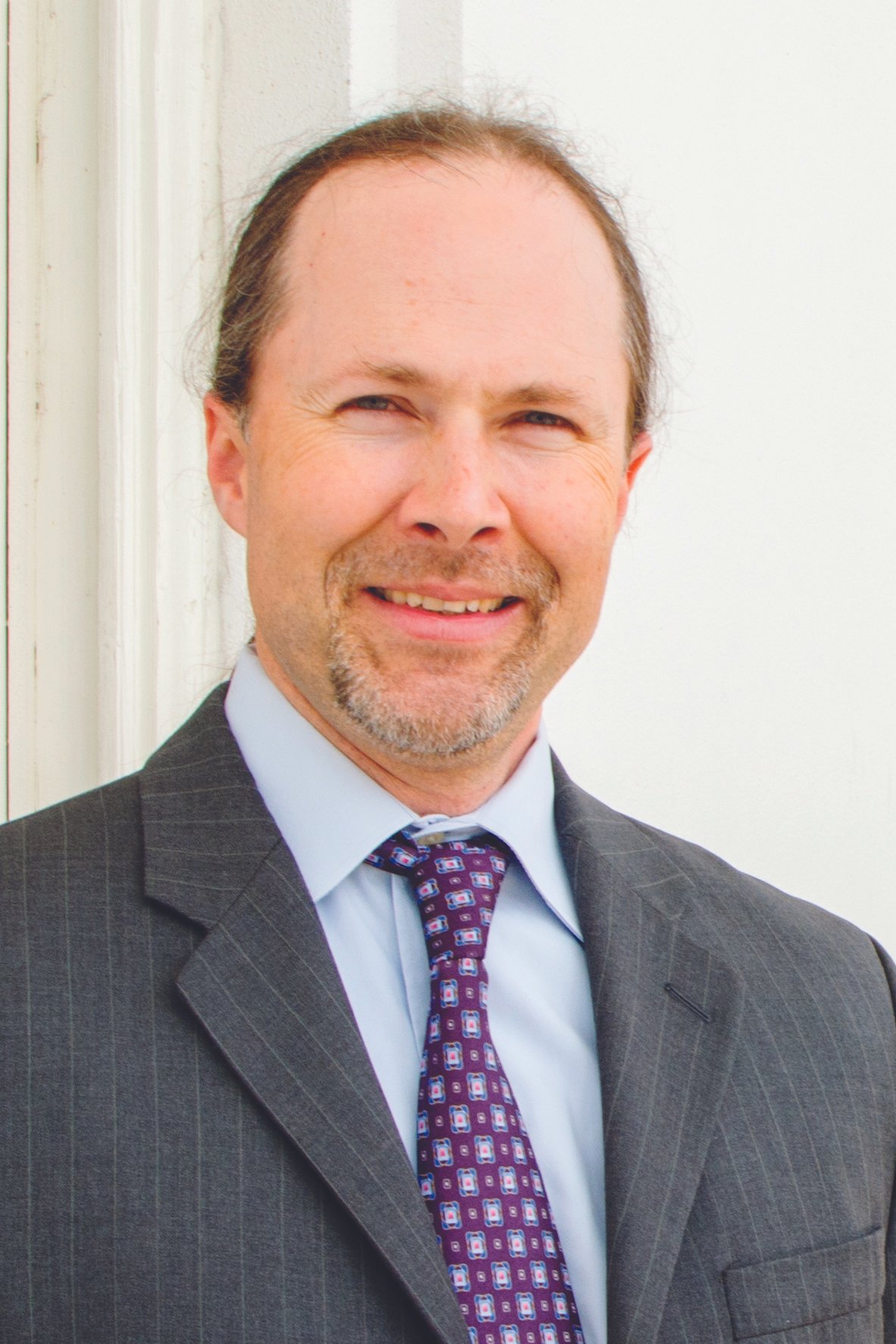
hing crayfish in backyard creeks. She studied at Allegheny College, and participated in a variety of community art and environmental initiatives.
Following a year of teaching high school in rural southwest Virginia, Amanda moved to Preston County in 2006. From 2007-2010 she worked for Friends of Deckers Creek as their Education Coordinator, building the foundation for their very successful youth programs and implementing grant-funded initiatives for environmental service-learning initiatives. In 2009, Amanda was awarded the “Guiding Light” award from the West Virginia Watershed Network for her enthusiasm and dedication to environmental education outside of the Deckers Creek watershed.
Amanda began her tenure with Friends of the Cheat in July 2010. Under her leadership, the organization completed the EPA-funded Targeted Watershed Initiative in Muddy Creek, representing over 7 years of work and over $1.5 million dollars in AMD remediation and associated research. FOC has installed five new AMD treatment systems, executed retrofits to four existing systems, and completed a 6 year work-share partnership with WV DEP’s Special Reclamation program. In 2016, the EPA declared the Cheat River “reborn” as FOC now shifts its focus to restoring AMD-impacted tributaries.
Amanda has increased FOC’s involvement with Source Water Protection Planning and land conservation, most notably participating in the coalition that finally accomplished the preservation of 3,836 acres of the Cheat River Canyon. On the recreation side, the organization has secured nearly 20 miles of rail corridor for conversion to rail-trail, founded the ~40-mile Upper Cheat River Water Trail, and raised over $60,000 for maintenance of whitewater access points and critical county roads. Further, in late 2018 FOC was awarded over $3 million dollars to construct the 8-mile Cheat River Rail-Trail, including the remediation of contaminated soils. This project, known as RE/CREATE, includes funding for an acid mine drainage learning park at the Lick Run portals AML site and Trail Town economic development programming across Preston County.
As the organization turns 25, Amanda has lead a push to diversify funding and projects. This pivots the organization to address broader pollution impacts, engage in proactive water quality protection, and lead the removal of the low-head dam on the Cheat River at Albright. The organization’s visibility and community engagement has also grown through education initiatives, and outreach to Tucker County and Cheat Lake.
Amanda and her family live below a high wall on Scotch Hill in southern Preston County. She is an active community member having served on the Preston County Litter Control Board and Preston County Solid Waste Authority. In 2017, Amanda was named one of West Virginia’s 50 “Wonder Women” by WV Living Magazine. In 2020, she was awarded the national River Hero award following in the footsteps of her predecessor at FOC, the late Keith Pitzer.

-
Jeremy Hyatt is Executive Director of Mainspring Conservation Trust, where he leads efforts to
conserve land, water, cultural heritage, and the rural character of the Southern Blue Ridge. A
citizen of the Eastern Band of Cherokee Indians and a lifelong resident of western North
Carolina, Jeremy brings a deep personal connection to the lands and communities Mainspring
serves.
Prior to joining Mainspring, Jeremy spent 14 years in leadership with the Eastern Band of
Cherokee Indians, including serving as Secretary of Operations and Director of Natural
Resources and Construction. His career has focused on conservation, natural resources,
community development, outdoor recreation, and building partnerships across Tribal, local, state,
and federal organizations.
Jeremy lives in Cullowhee NC with his wife, Manu, their cat, Laney, and dog, Georgie. When
he’s not working, he enjoys traveling and spending as much time outdoors as possible,
particularly mountain biking, running, and camping.
-
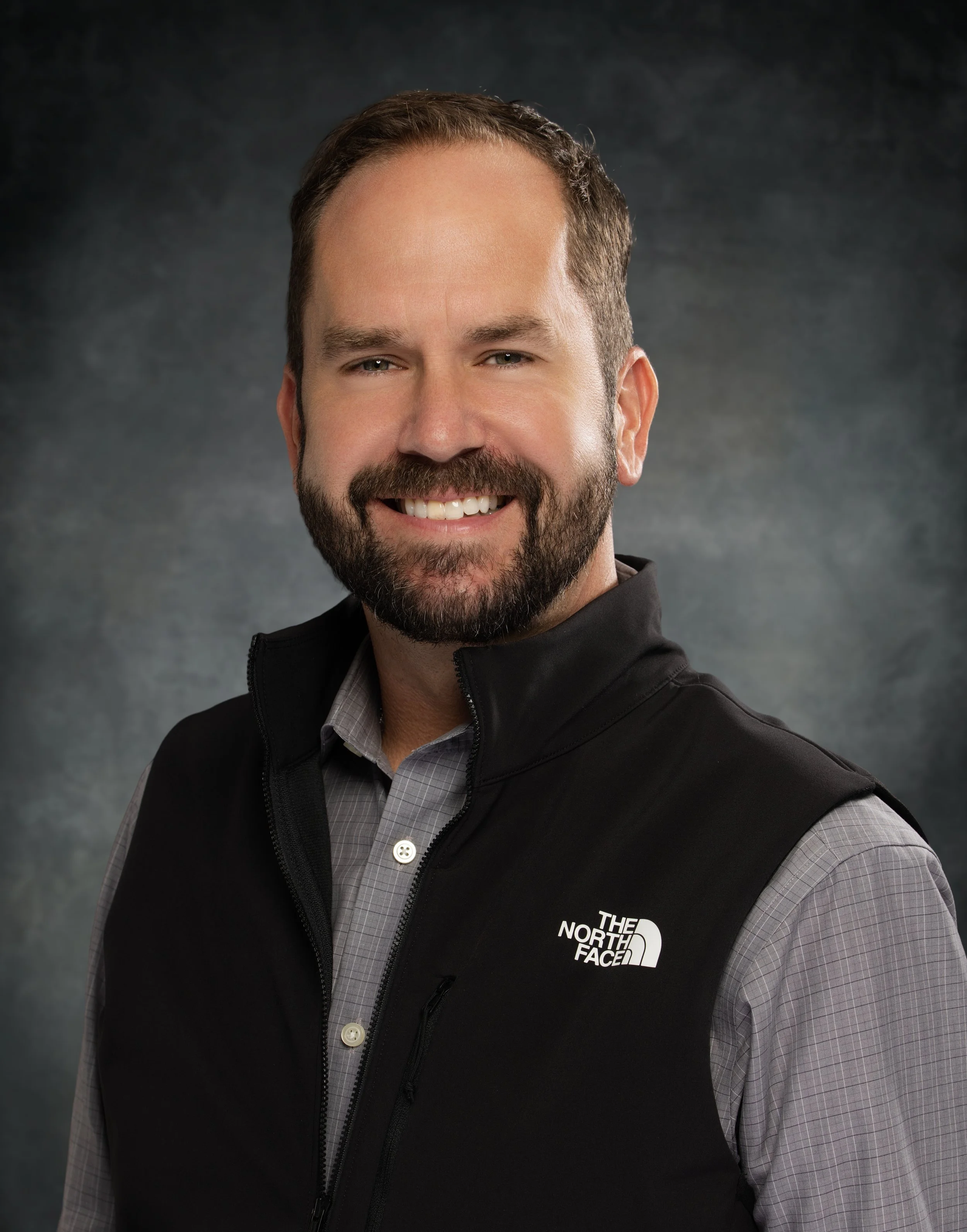
Dana Kuhnline is the Director of Programs for ReImagine Appalachia. She has two decades of experience working alongside a diverse array of groups across the Central Appalachian region to facilitate creative solutions to long standing regional problems, including reclaiming mine lands, supporting miners with black lung and finding solutions to our climate crisis that both bolster labor and workers in the region while supporting economic diversification. Her professional passions include facilitation, communications, campaign planning and project management. Her personal hobbies include gardening, fiber arts, old homes, and good jokes.

-
Rusha Smith is a native of Anniston, Alabama. She attended Southern Methodist University in Dallas, Texas, and she returned to Birmingham in 1991 to attend law school, from which she graduated in 1994. Upon completing judicial clerkships with Alabama Supreme Court Justice Janie Shores and U.S. District Court Judge (N.D. Ala.) Robert Propst, she started her litigation career at Bradley Arant Boult Cummings LLP (Bradley). After becoming a partner at Bradley and practicing law there for almost 25 years, she left private practice in June 2019 to join Freshwater Land Trust (FLT) as its Executive Director. In her role with that local nonprofit, she oversees a staff of ten (soon to be eleven) people while helping the organization further its mission to conserve, connect, and care for land and water in Central Alabama, creating dynamic green spaces for future generations. In the simplest terms, FLT protects environmentally significant land (presently almost 13,000 acres in 14 counties) and manages development of the Red Rock Trail System (presently 175 miles in Jefferson County), all in support of healthier and happier communities.
-
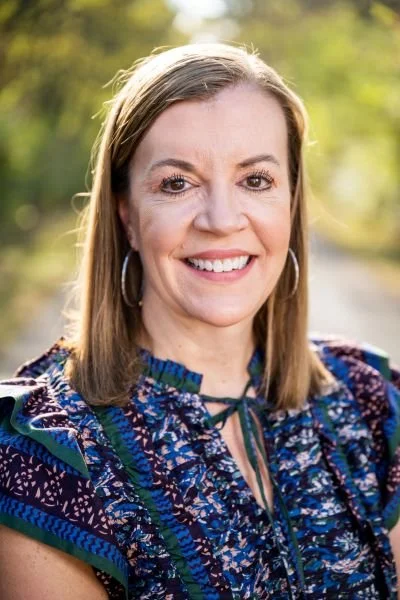
Tiffany Sturdivant is a Mississippi-raised Southern leader, community organizer, and cultural advocate whose work sits at the intersection of arts, storytelling, and community transformation. Before joining Appalshop, she built a successful career in healthcare, with experience spanning home healthcare, pediatrics, and geriatrics. Her passion for people and community care naturally evolved into a lifelong commitment to civic engagement and grassroots leadership.
Tiffany began her organizing journey in Columbus, Mississippi, where she co-founded a youth-focused nonprofit dedicated to strengthening communities through festivals, arts, and family-centered events. She has also been a dedicated voting rights advocate, supporting voting rights restoration efforts in both Mississippi and Alabama and helping expand civic participation across the South.
Today, Tiffany serves as the Executive Director of Appalshop, the nationally recognized arts and media organization in Eastern Kentucky. Since stepping into leadership, she has guided the organization through a period of significant transition, leading strategic restructuring, strengthening community partnerships, and advancing a vision that honors Appalshop's legacy while positioning it for a sustainable future. Under her leadership, Appalshop has expanded its national presence through presentations on disaster recovery, archive preservation, cultural leadership, and community-centered media.
Tiffany also serves as the Lead Organizer of Performing Our Future, a national coalition of cultural organizations and leaders from Alabama, Kentucky, Maryland, and Wisconsin. Through this work, she helps cultivate collaborative leadership, shared knowledge, and collective ownership of creative work, believing that communities are strongest when they learn, imagine, and build together.
A passionate believer in the power of joy as a strategy for community building, Tiffany enjoys singing, dancing, and creating spaces where people feel welcomed, valued, and inspired to work together. Whether leading organizational transformation, preserving Appalachian culture, or convening people across regions, she remains committed to building communities rooted in creativity, equity, and collective care.

-
Alexandra “Alexa” Sutton, Ph.D. is an African American and Yesàh (Saponi Nation of Ohio) conservation biologist, cultural geographer, and land-rematriation leader whose work has spanned Africa and North America. In Ghana, she studied the West African mangrove oyster as a potential response to local protein shortages; in southwestern Kenya, her doctoral research sought culturally grounded solutions to human-lion conflict in Maasai communities. In North America, through the Landberry Foundation, Indigenous East, and NDPonics, Alexa advances Indigenous-led land rematriation and ecological restoration, with particular attention to ancestral Yesàh homelands across the Appalachian, Piedmont, and Ohio River Valley regions. Her work brings science, Indigenous knowledge, policy, and community leadership together to strengthen enduring relationships among people, wildlife, and place.